+1 270-208-9064
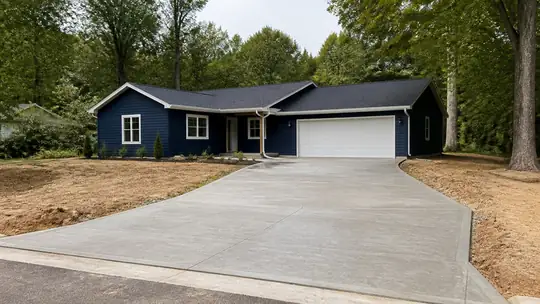
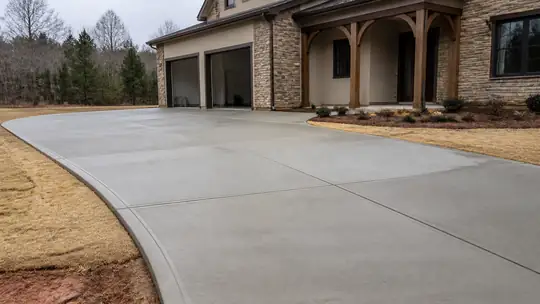
concrete demolition and removal completed by a local contractor at a charcoal farmhouse-modern home in Bowling Green, KY, in late afternoon light.

Concrete Demolition And Removal in Bowling Green, KY

Tearing out concrete in Bowling Green usually means a driveway, patio, walk or slab that has cracked, settled or simply outlived the plans someone had for it. We break it up, haul it off and leave the ground ready for whatever goes in next, whether that is new concrete, sod or a different surface altogether. The median home in Warren County was built in 1991, so much of what we remove has carried cars and foot traffic for decades. Some of it still looks fine on top. The base underneath tells a different story.

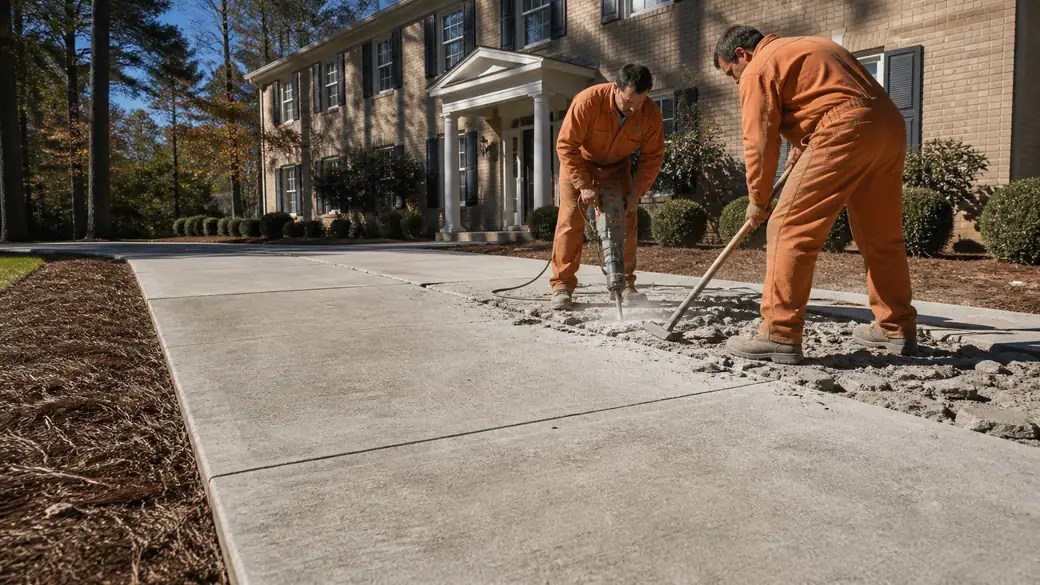
The work starts with a look at the site. We check where the slab meets the house, what runs under or near it, and how the property slopes, because Warren County is hilly and the grade can change from one block to the next. Then we saw-cut the edges that need to stay clean, break the slab into pieces a machine can lift, and pull the reinforcement as we go. Loads leave the property as they fill. If the project calls for a permit, we handle the permit.

Most trouble with demolition comes from rushing it. A breaker worked too close to a foundation wall can crack what was supposed to stay. Cutting without checking for buried lines can turn a simple tear-out into a utility repair. And pulling a slab without looking at what it sat on means the next pour settles in the same spot for the same reason. Soil across the county is mostly well-drained Baxter, but it varies, and a soft patch under old concrete is worth finding before anything new goes down.

Doing this properly costs some time up front, and it is time well spent. We test every site on its own before work starts, grade what we uncover once the old slab is gone, and leave a base that is clean, compacted and ready for what comes next. That might be a new driveway, a patio, stamped or decorative work, or plain lawn. Whoever builds on it, the ground underneath should never be the reason it fails. If you have concrete that needs to come out, call for a free estimate.
Call +1 270-208-9064

Get a Free Estimate

What Is Included in Concrete Demolition And Removal

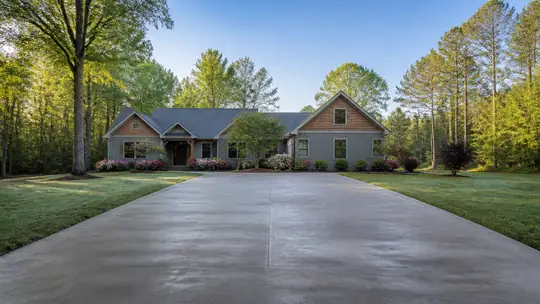
concrete slab installation completed by a local contractor at a buff-brick ranch home in Bowling Green, KY, after a rain shower.

Concrete Slab Installation Cost

Every line on our estimate traces to something you can see on the site. We measure the footprint, check the grade, and account for breaking out and hauling off any old slab. Then come base stone, forms, rebar or wire mesh, the pour and the finish. Nothing hides in a lump sum.

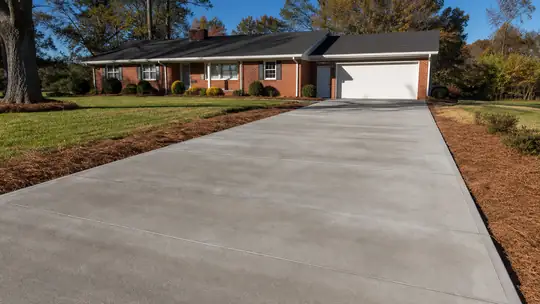
concrete driveway installation completed by a local contractor at a tan-brick colonial in Bowling Green, KY, in clear late-morning sun.

Concrete Driveway Installation

Breaking out the old driveway and hauling it off comes first. On a sloped lot the grade matters more than the pour, so we cut and compact the base until water runs off the surface, not under it. Rebar sits on chairs, joints get cut on time, and we broom the finish for grip.

concrete flooring installation completed by a local contractor at a grey split-level home in Bowling Green, KY, at blue hour.

Concrete Flooring Installation

Garage, basement and shop floors ask for a flatter, harder surface than anything outside. We lay a vapor barrier over compacted stone, set reinforcement at mid-depth, and power trowel to a tight finish. Most floor trouble is moisture wicking up or cracks from joints cut late. We plan against both before the truck arrives.

concrete slab repair completed by a local contractor at a painted-white-brick two-story home in Bowling Green, KY, in late afternoon light.

Concrete Slab Repair

Not every cracked slab has to come out. With the median home here built in 1991, we see plenty of older concrete that is sound underneath. Hairline cracks get routed and sealed; spalled patches get resurfaced. Where a section has sunk, we saw it out, drill dowels into the good slab, and pour back.

Top Decorative Concrete Styles for Bowling Green Homes

Stamped concrete is the style most owners ask about first. We press a pattern into the surface while it is still workable: ashlar slate, cobblestone, wood plank or random flagstone. Exposed aggregate shows the stone inside the mix and gives good footing on a slope. Integral color, or color broadcast onto the fresh surface, softens a patio that sits against brick or siding. Half the homes in Warren County were built before 1991, so new work often meets surfaces that have weathered for decades. A muted tone blends better there than a bold one.

Work starts with the site, not the pattern. Warren County is hilly, and the grade changes from one block to the next, so we set forms and slope for what each property actually does with water. Baxter soil drains well across much of the county, but we test every site before we pour. Reinforcement goes in first, then the concrete, and the stamping crew works a tight window while the slab can still take an impression. Sealer goes on once the surface has cured.

Most decorative failures start underneath. A stamped patio poured over a poorly compacted base cracks along lines no pattern can hide. Stamp too late and the texture comes out shallow and blurred; stamp too early and the mats sink and tear the surface. Color that shifts from one truck to the next shows up as patches in the finished slab. Skipped joints let the slab pick where it cracks. An unsealed stamped driveway dulls and scales long before it should. Every one of these is a preparation problem, not bad luck.

Getting it right mostly costs time and care. We compact the base properly, cut control joints where the pattern can hide them, order color from a single batch, and keep enough hands on site to stamp a large pour before it sets. Decorative work earns its keep on patios, walkways and the stretch of driveway people actually see. A side slab behind the garage rarely needs it. Call for a free estimate; samples and pattern choices are easier to judge standing on your own property.

What Decides the Price of Concrete Demolition And Removal

Two driveways the same size can cost very different amounts to tear out. What decides the price is what we find once we look at the slab and the ground around it. Almost everything on this list is something you can check yourself before anyone quotes the job.

What changes the priceWhich wayWhy
Rebar or wire mesh in the slabcosts moreReinforced concrete breaks slower, and the steel has to be cut free and hauled separately.
Slab thicker than a typical patio or walkcosts moreMore material to break, more weight on every load out.
A clear path wide enough for a skid steer and truckcosts lessWe load straight into the truck instead of moving debris out by wheelbarrow.
Fence, gate, shrubs or a retaining wall in the waycosts moreEach one has to come down, be protected, or be worked around by hand.
Gas, water, sprinkler or electrical lines under or beside the slabcosts moreNear buried lines we break by hand and go slowly.
A sloped yardcosts moreWarren County is hilly, and a slope takes more care to keep equipment steady and debris contained.
Water that sits where the slab iscosts moreSoft, wet ground may need regrading before anything new goes back down.
New concrete poured over old concrete or asphaltcosts moreTwo layers means two removals, and the lower one is often in worse shape.

Line up competing bids and read what each one actually covers. Check whether haul-off and disposal are included or billed as extra. Look for whether the bid names the reinforcement, or assumes plain concrete and adjusts later. Ask who handles the permit, and whether grading the base after removal is part of the price. A bid written after someone walked your property is worth more than one written from a phone call.

Common Concrete Demolition And Removal Questions From Bowling Green Owners

Do you handle the concrete demolition and removal permits, utility locating, and site safety in Bowling Green?

Yes. We handle the permit when the job needs one, and we have buried utilities marked before any saw or breaker touches the slab. On site, we close off the work area, keep dust down with water while we cut, and protect the parts of your property that are staying: lawn edges, siding, the driveway apron. You don't have to chase paperwork or call anyone else.

What concrete demolition methods do you use for Bowling Green driveways, patios, and slabs?

Most residential work comes out with a saw and a breaker. We saw-cut a clean line where the old concrete meets anything that stays, then break the slab into pieces a skid steer can lift and load. Thicker slabs, or ones with heavy reinforcement, get a hydraulic breaker and extra cutting to free the steel. Near foundations and walls we switch to smaller tools, because a big machine there puts the structure next to it at risk.

What factors affect the cost of concrete demolition and removal in Bowling Green?

Thickness and reinforcement come first. A slab with rebar or wire mesh takes longer to cut and break than plain concrete. Access is next: a driveway open to the street loads out quickly, while a back patio behind a fence may mean smaller machines and more trips. Haul distance and disposal add to it, and so does grading afterward. Warren County is hilly, so a sloped yard can need extra site work before anything new goes down.

How much does concrete demolition and removal cost in Bowling Green, KY?

There's no honest number until we've seen the slab. Two driveways of the same size can come out very differently once you account for thickness, steel, access and how far the debris has to travel. That's why we measure, check the edges for reinforcement, and look at how the site drains and slopes before we price anything. Every estimate is written for that one job. Call us for a free estimate.

Should a damaged Bowling Green patio be repaired or replaced?

That comes down to what's underneath. Surface scaling, hairline cracks and a worn finish can usually be repaired or resurfaced for far less than a new slab. When sections have sunk, heaved or split all the way through, the base has moved, and patching the top won't hold. The median home here was built in 1991, so plenty of original patios are old enough to show either problem. We check the base before recommending one or the other.

What's the difference between acid stain and water-based stain?

Acid stain reacts chemically with the lime in cured concrete, so the color forms in the surface itself. You get mottled, variegated earth tones (browns, tans, soft greens), and no two slabs turn out alike. Water-based stain sits in the pores instead of reacting. That gives a wider range of colors and a more even, predictable result. Choose acid stain for a natural, aged look, water-based for a specific color. Both need a sealer.

Get a Free Estimate

Get a Free Estimate

Tap to call +1 270-208-9064